

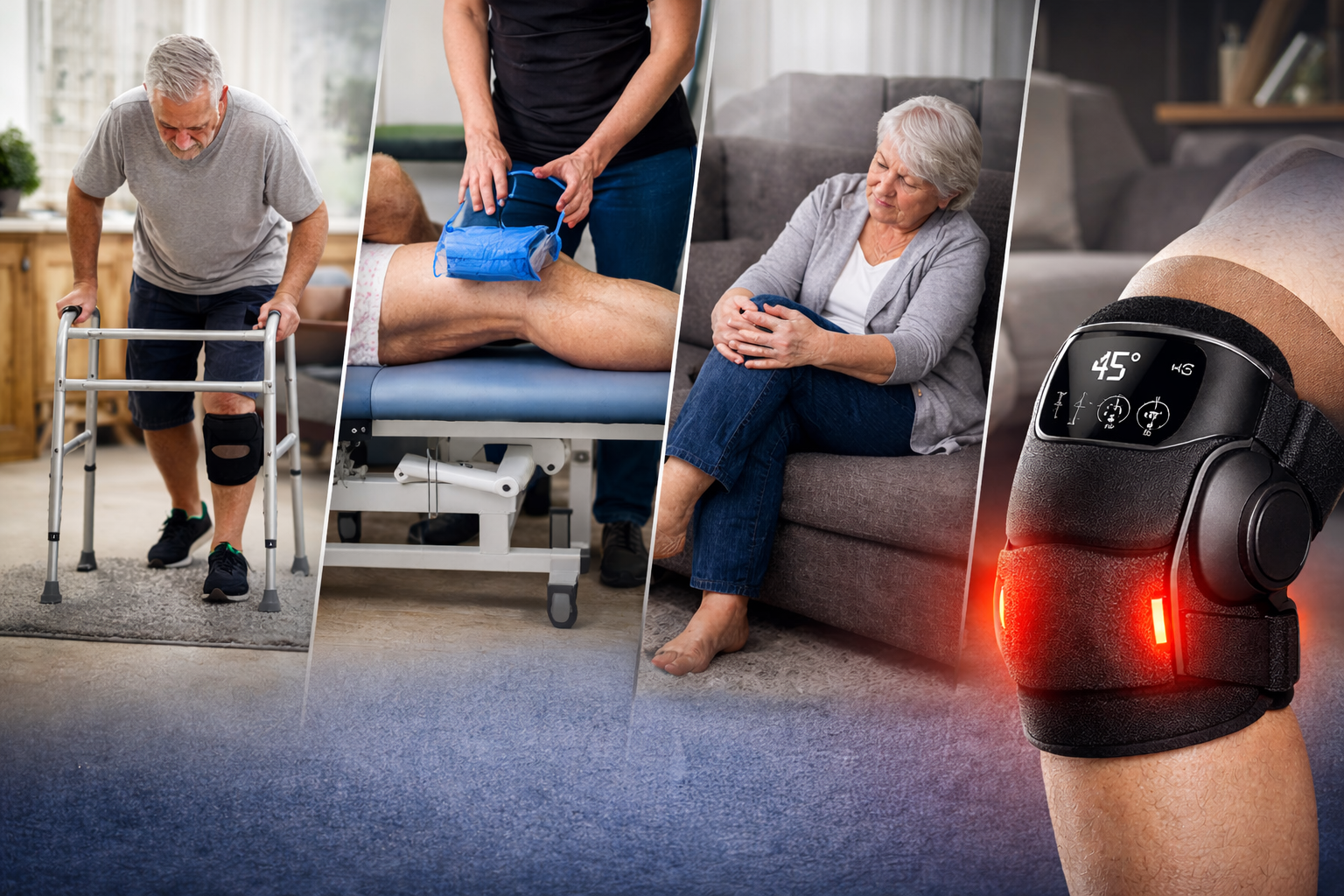
Top 5 Mistakes After Knee Replacement (And How to Avoid Them)
Knee replacement surgery is a major procedure. Recovery takes time, structure, and consistency. Small mistakes can slow healing, increase swelling, and delay your return to normal movement.
Here are the top five mistakes people make after knee replacement — and what you should do instead.
1. Doing Too Much, Too Soon
It’s normal to feel motivated once pain begins to improve. But pushing your new joint too hard can cause setbacks.
Overdoing activity may:
-
Increase inflammation
-
Worsen swelling
-
Irritate healing tissue
What to do instead:
Follow your surgeon and physical therapist’s plan exactly. Gradual progress builds strength without overloading the joint.
2. Skipping Physical Therapy Exercises
Rehab exercises can feel repetitive or uncomfortable. Still, they are critical.
Skipping therapy can lead to:
-
Stiffness
-
Reduced range of motion
-
Weak quadriceps and hamstrings
What to do instead:
Complete your exercises daily. Even short sessions improve flexibility, circulation, and joint control over time.
3. Ignoring Swelling and Inflammation
Swelling is expected after knee replacement. Ignoring it is not.
Unmanaged inflammation can:
-
Limit bending and straightening
-
Increase tightness
-
Slow overall recovery
What to do instead:
Use elevation, compression, and cold therapy as directed. Keeping swelling under control helps restore mobility faster.
4. Sitting Too Long Without Movement
Rest is necessary. But long periods of sitting can stiffen the joint and reduce blood flow.
Too much inactivity may:
-
Decrease circulation
-
Increase joint tightness
-
Make walking more difficult
What to do instead:
If cleared by your doctor, stand and take short walks throughout the day. Gentle movement helps prevent stiffness and supports healing.
5. Neglecting Strength Around the Knee
Your new knee relies on the muscles around it for stability. Weak quads, hamstrings, and calves increase strain on the joint.
Poor muscle support can:
-
Reduce balance
-
Increase discomfort
-
Delay walking progress
What to do instead:
Focus on controlled strengthening exercises. Low-impact activities like stationary biking (when approved) can improve endurance and joint support.
When to Consider a Knee Massager During Recovery
At the right stage of recovery — and only with approval from your surgeon or physical therapist — a knee massager may support your rehabilitation process.
Modern knee massagers often include:
-
Heat therapy to relax surrounding muscles
-
Air compression to help support circulation
-
Gentle vibration to reduce stiffness
These features may help ease muscle tension around the joint and improve comfort between therapy sessions. However, they should never replace structured rehab exercises or medical guidance.
If swelling, redness, unusual warmth, or sharp pain increases, stop use and contact your healthcare provider.
Knee replacement recovery is a marathon, not a sprint. Avoid common mistakes, stay consistent with therapy, manage inflammation wisely, and use supportive tools appropriately. Small daily efforts lead to strong long-term results.
Share:
Is a Massage Gun Good for the Knee?
How To Use A Neck Stretcher